
Considering dermal fillers for lips, cheeks, or smile lines? Learn what they
are, how they work, results, cost, safety, and what to expect at Summertime Skin RN.
Dermal Fillers: Restore Volume and Shape Without Surgery
You notice it first in photos. Your smile looks the same, but the frame around it has shifted. The
cheeks that once lifted your expression seem flatter. The lips that once gave balance to your face
now fade into the background. Even makeup starts to behave differently, settling into folds
instead of gliding smoothly. This is not sudden. It is gradual. But one day, you realize your reflection tells a story that does not feel like you. That is the moment many people start exploring dermal fillers. Not because they want to look like someone else, but because they want to feel aligned again—with the version of themselves that still feels alive and confident inside.
At Summertime Skin RN, fillers are more than syringes and product. They are about artistry,
proportion, and listening. Done well, fillers restore balance so subtly that people notice you look
good without knowing exactly why.
What Dermal Fillers Are
Fillers are injectable gels designed to restore lost volume, smooth folds, and enhance natural
features. The most common type, hyaluronic acid (HA) fillers, mimic a sugar molecule that
already exists in your skin and tissues. HA draws and holds water, giving treated areas soft
fullness. The FDA has approved various HA filler families, each formulated for specific purposes: lips, cheeks, fine lines, or structure. Results are immediate and reversible, which is one reason HA
fillers are trusted worldwide. Other fillers, such as calcium hydroxylapatite or poly-L-lactic acid,
stimulate collagen for longer-term improvements.
But the goal is never simply to “fill.” It is to restore harmony. That is where injector skill makes
all the difference.
Who Benefits and Who Doesn’t
You may be a good candidate if:
Your lips have thinned with age or never had the fullness you want.
Cheeks or midface have lost volume, leaving shadows or flatness.
Smile lines or marionette folds make you look tired or stern.
You want sharper jawline or chin definition without surgery.
You want a refreshed appearance without major downtime.
Fillers are not for everyone.
If you are pregnant, breastfeeding, allergic to ingredients, or have an active infection, treatment
is postponed. Patients with unrealistic expectations—seeking a completely different face—may
not be good candidates either. The best results come when goals align with subtle, natural
change.
Signs It May Be Time
For many, the signal comes from small frustrations:
Lipstick bleeding into vertical lines around the mouth.
Makeup that creases in smile folds.
Hollow under-eyes that make you look fatigued.
A jawline that blends into the neck.
Photos that feel harsher than how you feel in person.
These are the quiet signals that your face is changing shape. Fillers address them not by freezing
movement but by restoring structure.
What to Expect at Your Visit
Your first filler appointment is a mix of conversation, planning, and treatment.
- Consultation – We start with listening. What do you see? What do you hope for? We
review medical history and discuss your options. - Assessment – Photos and facial mapping help guide placement. We talk through the
areas that will bring the most natural balance. - Treatment – A fine needle or cannula places filler where it is needed. Most HA fillers
contain lidocaine, making the process more comfortable. Sessions often last 30–45
minutes. - Aftercare – Mild swelling or bruising is normal. Ice and gentle care help. We
recommend avoiding alcohol, heat, or strenuous activity for 24 hours.
What Fillers Feel Like
Most people are surprised by how tolerable the treatment is. With numbing and built-in
lidocaine, discomfort is minimal. You may feel pressure or a slight pinch, but the process is
quick. The reward is seeing immediate improvement when you look in the mirror.
Safety and Side Effects
Fillers are FDA-approved and widely studied. Safety depends on both the product and the
injector’s training.
Common side effects: redness, swelling, tenderness, or bruising.
Less common: small lumps or asymmetry, which can often be adjusted.
Rare but serious: accidental injection into a blood vessel. This is why injectors must know
anatomy deeply and have protocols in place.
At Summertime Skin RN, patient safety comes before everything. Every filler session begins
with reviewing risks and answering your questions clearly.
Fillers Compared to Other Options
Botox relaxes muscles that crease the skin, but it does not replace lost volume.
Skincare can improve texture and glow, but cannot lift or reshape deeper folds.
Surgery delivers dramatic, long-lasting changes, but requires downtime and carries greater risks.
Fillers offer a middle ground—non-surgical, immediate results, customizable, and reversible.
How to Support Your Results at Home
Before treatment: Avoid alcohol, aspirin, or ibuprofen for 24–48 hours to reduce
bruising risk.
After treatment: Use ice for swelling, skip saunas or intense workouts for 24 hours.
Long-term: Wear sunscreen daily, stay hydrated, and maintain a balanced skincare
routine.
Sleep: Try to sleep on your back the first night to protect treated areas.
These small choices extend the life of your results.
Patient Stories
The Bride
At 31, she wanted her wedding photos to reflect how radiant she felt. We placed filler in her lips
and softened her smile lines. Friends said she looked glowing—not “different.”
The Grandmother
At 64, deep folds made her feel as if her face sagged even when she was happy. Cheek and
nasolabial fillers lifted her features. Her daughter said, “You look like yourself ten years ago.”
The Professional
At 46, he wanted sharper jawline definition without downtime. Two syringes along the jaw
restored contour. He told us coworkers kept asking if he had been working out.
Recovery Timeline
Day 1 – Mild swelling or redness, sometimes small bruises.
Day 2–3 – Swelling peaks and begins to settle.
Day 7 – Most swelling gone. Contours look natural.
Day 14 – Full results visible. Touch-ups if needed.
Month 6–18 – Duration depends on filler type and placement.
Cost and Commitment
Fillers are priced by syringe. How many syringes you need depends on the area and the result
you want.
Lips may take 1–2 syringes.
Cheeks often need 2–3.
Smile lines or under-eyes may need 1–2.
Jawline or chin may require 2–4.
Average cost per syringe ranges $500–$900. Most results last 6–18 months. For consistent
outcomes, many patients schedule maintenance once or twice a year.
Frequently Asked Questions
Do fillers hurt?
Mild discomfort is possible, but lidocaine and numbing make it very tolerable.
How long do fillers last?
Six months to two years, depending on type and placement.
Are dermal fillers reversible?
Hyaluronic acid fillers can be dissolved with an enzyme if needed.
Is there downtime?
Most people return to daily life immediately. Swelling fades in days.
Will I look overfilled?
Not with conservative, skillful treatment. Our goal is subtle balance.
Are fillers safe?
Yes, when performed by trained injectors using FDA-approved products.
Can I combine fillers with Botox?
Yes. Many patients do both for a balanced approach.
How much does it cost?
Average cost ranges from $500 to $900 per syringe. Pricing depends your goals, on syringes used, area treated, and product type.
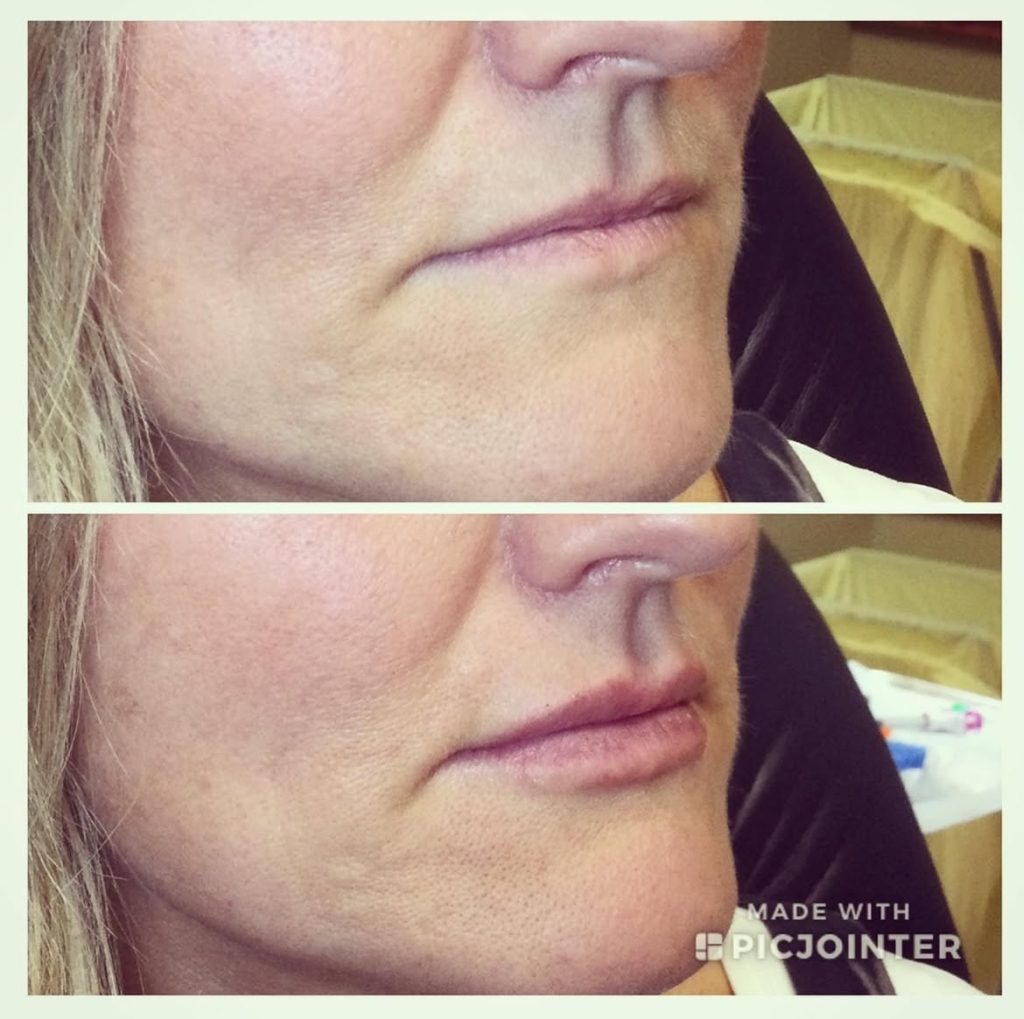
Feel comfortable in the skin your in with dermal filler
If you want your reflection to match how you feel inside—energized, confident, vibrant—dermal
fillers may be the key. Schedule with Summertime Skin RN today. You can reserve your consultation by calling 208-370-5989 or schedule online at https://practice.chirotouch.com/portal/ElevatedChiropractic